Septic tank pumping might not be the first thing on your spring to-do list, but it’s a key part of keeping your home healthy, especially in Oklahoma. When you live in a rural or suburban area without access to city sewer systems, your septic system handles all the household wastewater, quietly working underground every day.
As we head into spring, wetter weather and shifting soil can make a small septic issue worse fast. Heavy rain can add pressure to your system, especially in places with slow-draining clay soil. Knowing when and how to schedule septic tank pumping can help you avoid backups, foul smells, and yard problems later on.
What a Septic Tank Does in an Oklahoma Home
Your septic system is like the behind-the-scenes worker of your house. Whenever someone washes their hands, does the laundry, or flushes the toilet, that water travels through pipes out to your septic tank. Once there, solids settle at the bottom, liquids flow out into the drain field, and any grease or lighter waste floats on top.
Homes across Oklahoma, especially in areas like McClain County or around Blanchard, often rely on septic systems because there are no city sewer lines to hook into. That means regular care is on us to keep things flowing the way they should. When the tank gets too full or something goes wrong with the flow, trouble tends to show up inside or right outside the house.
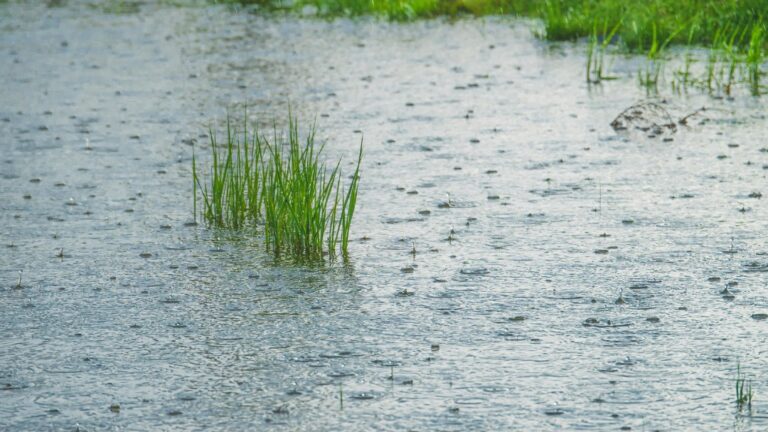
Oklahoma’s weather and soil don’t always make things easy. We deal with clay-heavy soil that doesn’t drain quickly, and each season brings its own challenges. Cold winters can slow down system activity, and spring rains can flood the drain field or push surface water back over buried lines. That makes knowing how your system works, and recognizing when it needs pumping, even more important.
Why Septic Tank Pumping Is Needed
Over time, all septic tanks fill up with waste. The solids build up slowly, and if they’re not pumped out, they can spill into the drain field or, worse, back up into your home. That kind of mess can damage plumbing, floors, and even your yard.
Here are a few things that could mean your tank is overdue:
- Drains in your house start moving slower, even after trying to clear them
- You catch strong sewer smells near the toilet, sink, or in the yard
- Water sometimes comes back up into sinks or showers after heavy use
If solids make their way out of the tank into the drain field, they can clog up the whole system. That can lead to standing water in the yard or constant damp spots near where the tank sits. In most cases, regular septic tank pumping keeps this from happening.
What to Expect During a Pumping Visit
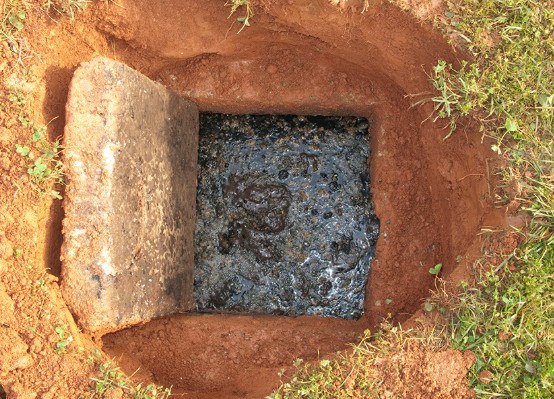
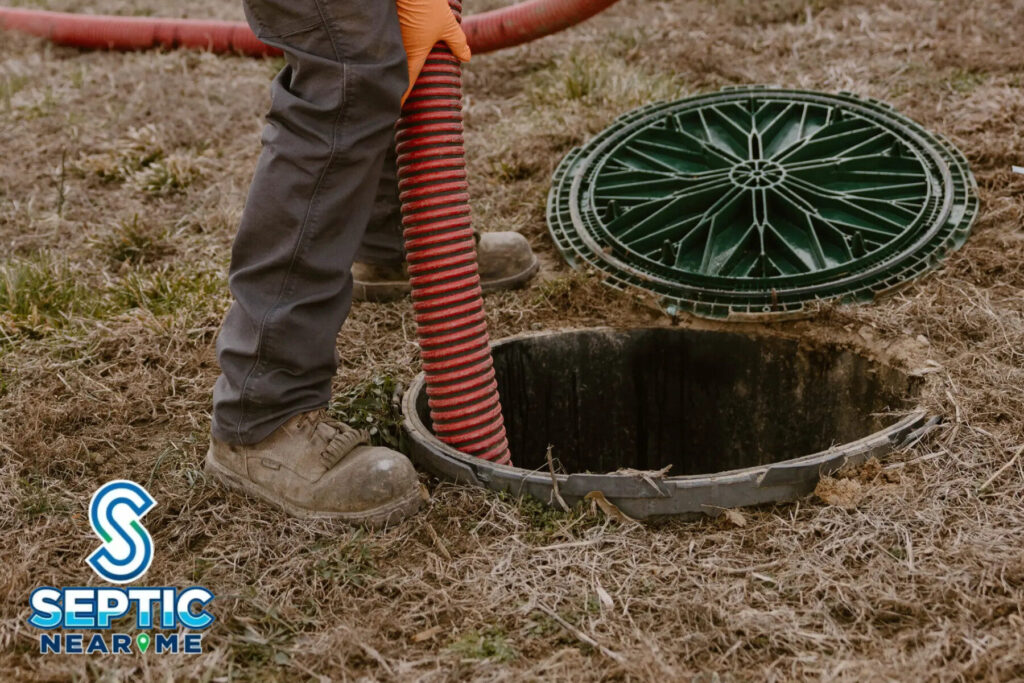
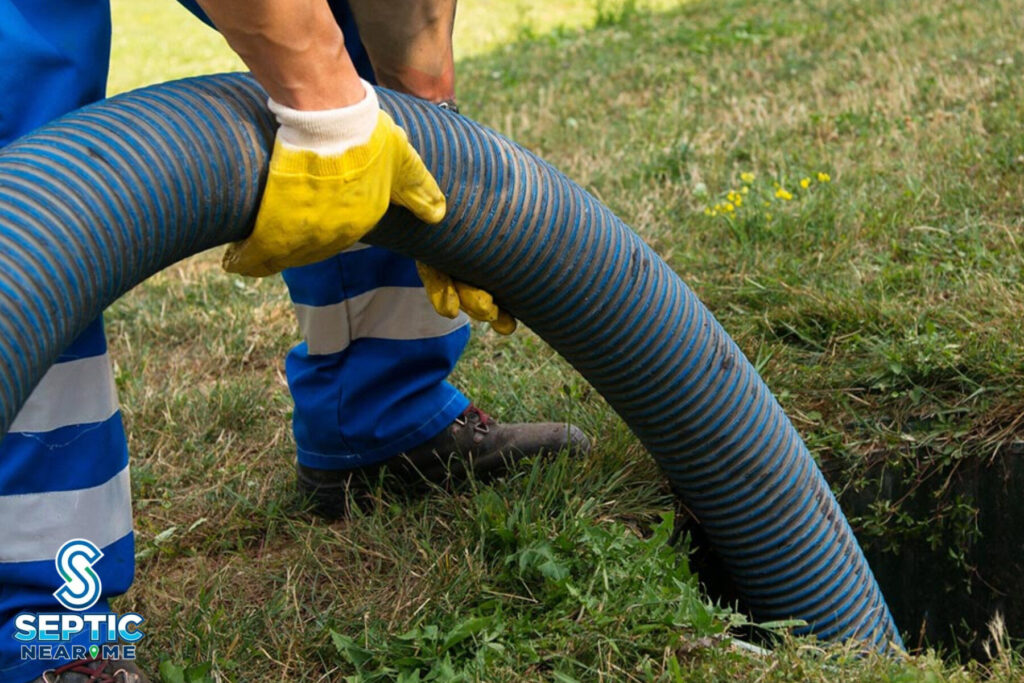
When we show up to pump a tank, most of the work happens outside. First, we locate the access lid to the tank and dig it open if it’s not already exposed. Once the lid is off, we can check the level and begin removing the waste using a large vacuum hose designed for tank pumping.
From there, we pump out the solids, liquids, and floating waste, clean up around the tank, and take note of any issues we spot. If anything looks off, like cracks in the tank or signs of root damage, we’ll explain what we find.
Before a visit, it helps if things like fences, trash bins, or lawn furniture are moved out of the way, especially if they block the path to your tank. If you’re not sure where your system is located, we can help figure that out during the appointment.
Timing It Right: When to Pump in Oklahoma
Most households need pumping every three to five years, depending on how many people live there and how much water gets used. If your home has a garbage disposal or extra laundry loads, you might need it more often.
Spring is one of the smartest times to handle maintenance. In places like Oklahoma, spring means more rain. If your tank is already full when wet weather hits, it can put stress on the whole system. Pumping in early spring gives your system breathing room before heavy runoff and soggy ground become a problem.
Our state’s soil makes proper timing even more important. Many homes sit on clay-rich ground that holds water longer. After rain, it can take days for things to absorb, and that can slow how quickly your system works. Getting ahead of the season gives your system a stronger start.
Keeping It Working Between Pumpings
Once your tank has been pumped, there are a few simple habits that go a long way in keeping it working well. What we flush or rinse down the drain matters more than most people think.
Try sticking to these habits:
- Avoid flushing wipes, paper towels, or anything labeled “flushable”
- Skip using strong drain cleaners, as they can hurt the bacteria that break down waste
- Don’t run lots of water back-to-back (like multiple laundry loads), giving the system time to catch up
We also suggest having your system looked at once in a while, even if it’s not time to pump. Just because a drain seems fine doesn’t mean things underground are still working like they should. Noticing something early can save you a much harder fix later on.
Stay Ahead of Septic Problems This Spring
Even if everything seems quiet now, spring is a good time to double-check how your septic system is doing. A well-timed pump clears out old waste before spring showers start soaking the ground, which takes pressure off your drain field and tanks right when they’re about to get busier.
Oklahoma homes face a mix of weather, soil, and usage that can impact septic performance fast. Watching for slow drains, smells, or soggy spots helps catch small problems before they become expensive ones. With the season shifting soon, now’s a smart time to stay out in front of trouble.
At Septic Near Me OK, we know how Oklahoma’s spring weather can impact underground systems, especially when heavy rain hits already full tanks. Regular care like septic tank pumping helps keep things flowing the way they should and gives your system a clean start before the ground gets saturated. When things go unchecked, backups, yard damage, and slow drains are close behind. If your system is showing signs it’s time, or it’s just been a few years, we’re ready to help. Give us a call to schedule service before the season gets ahead of you.