For many homeowners, a septic system quietly handles wastewater day after day without much thought. But when you live outside areas connected to municipal sewer systems, your septic setup becomes one of the most important systems on your property.
Understanding the regulations that apply to septic systems is more than just helpful. It can prevent costly mistakes, delays during repairs, and even problems when selling your home.
When homeowners request septic service, one of the first topics that often comes up is local code compliance. Septic systems must meet specific guidelines related to installation, repairs, and maintenance. These rules exist to protect groundwater, prevent system failures, and ensure wastewater is treated safely.
Because soil conditions, weather patterns, and property layouts can vary widely, knowing the basics of septic rules can help homeowners make smarter decisions before problems occur.

Why Septic System Regulations Exist
Septic systems may be underground, but they play a major role in protecting public health and the environment. Regulations are designed to ensure systems are installed correctly and operate safely over time.
Local health departments or environmental agencies typically oversee septic systems. These authorities establish guidelines for installation, maintenance, and repairs to make sure wastewater does not contaminate drinking water sources or nearby land.
Even though these rules may seem complicated at times, they help ensure septic systems remain reliable and safe for homeowners and surrounding communities.
When You Need a Permit for Septic Work
Many septic projects require official approval before work begins. Permits are commonly required for projects such as:
• Installing a new septic system
• Replacing or expanding an existing tank
• Changing system types (such as converting to an aerobic system)
• Repairing major damage that affects system performance
Permit applications typically evaluate several factors related to your property, including:
• The location of the septic tank and drain field
• Soil composition and drainage capability
• Distance from water wells, structures, and property lines
• The size of the home and expected wastewater usage
If a proposed system location does not meet required standards, adjustments may be necessary before approval is granted.
Skipping permits can create larger issues later. Unapproved septic work may need to be corrected or replaced, and it can also complicate real estate transactions if a home inspection reveals the system does not meet regulatory standards.
What Happens During a Septic Inspection
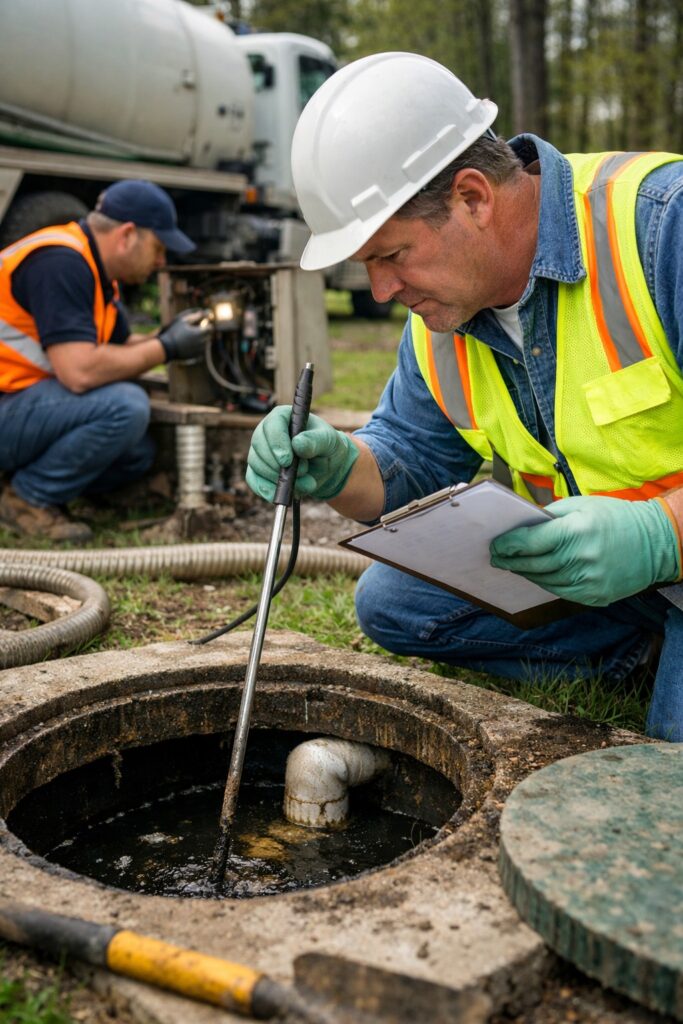
Septic inspections are often required during property sales, new construction, major repairs, or when system problems occur.
A typical inspection involves evaluating several components of the septic system, including:
• The condition and capacity of the septic tank
• The placement of the system underground
• The number of occupants the system is designed to support
• The design and condition of the drain field
Inspectors may also evaluate environmental factors that influence system performance. Soil type, drainage patterns, and landscape slope can all affect how efficiently wastewater is treated.
Because septic systems rely heavily on natural filtration through soil, these environmental conditions play a critical role in long-term reliability.
Why Seasonal Conditions Matter for Septic Systems
Weather conditions can have a significant impact on septic system performance. Cold temperatures, heavy rainfall, and saturated soil can slow drainage and create additional stress on the system.
During colder months, frozen ground can make excavation and repairs more difficult. In wet seasons, saturated soil may prevent the drain field from properly filtering wastewater.
These conditions can also delay installations, inspections, or major repairs if planning is postponed.
Scheduling maintenance or inspections ahead of busy seasons often helps homeowners avoid delays and emergency situations.
The Risks of Ignoring Septic Regulations
When septic systems fail, the consequences can extend beyond simple plumbing problems. Issues may include:
• Sewage backups inside the home
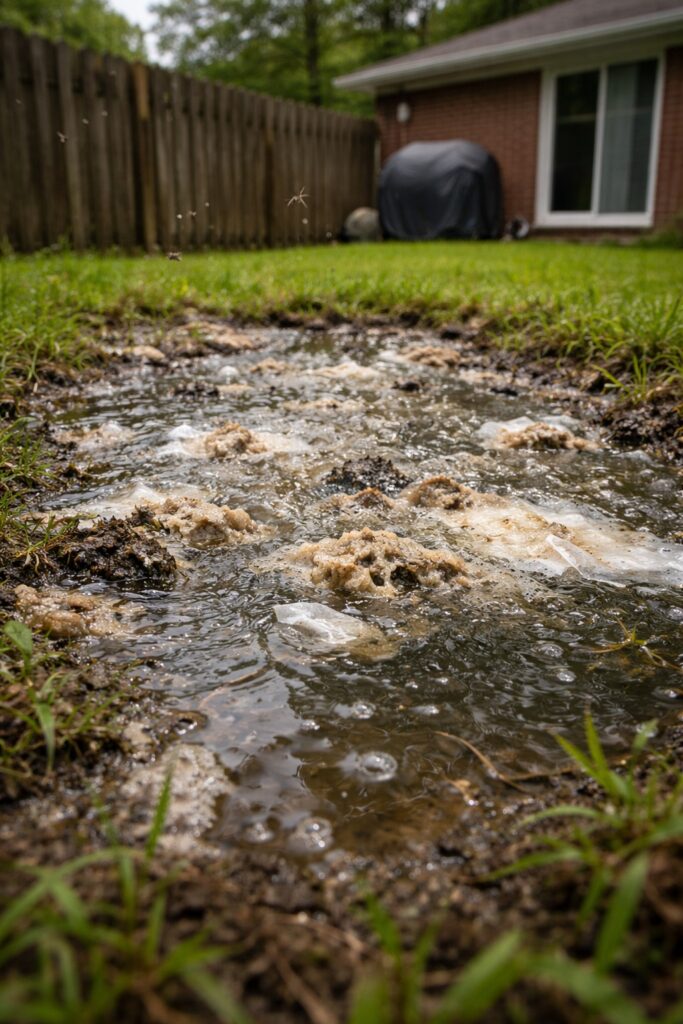
• Wastewater surfacing in the yard
• Contamination of nearby soil or groundwater
• Expensive repairs requiring excavation
If the system was installed or modified without following proper guidelines, additional corrections may be required before repairs can even begin.
In some cases, fines or penalties may also apply when septic systems are altered without proper approval.
Understanding the basic rules ahead of time can prevent these situations and help homeowners maintain a safer, more reliable system.
Know What’s Underground Before Problems Start
Septic systems rarely fail overnight. Many issues develop gradually as soil conditions change, components wear out, or maintenance is delayed.
Unfortunately, many homeowners only learn about their septic system when something goes wrong.
Taking the time to understand how your septic system works—and the regulations that apply to it—can help prevent small issues from becoming major repairs.
If you are planning a new installation, system upgrade, or repair, working with experienced professionals can make the process much smoother. A knowledgeable septic team can help ensure the system meets regulations, functions efficiently, and continues serving your home for years to come.
When it comes to septic systems, preparation and proper guidance can make all the difference.