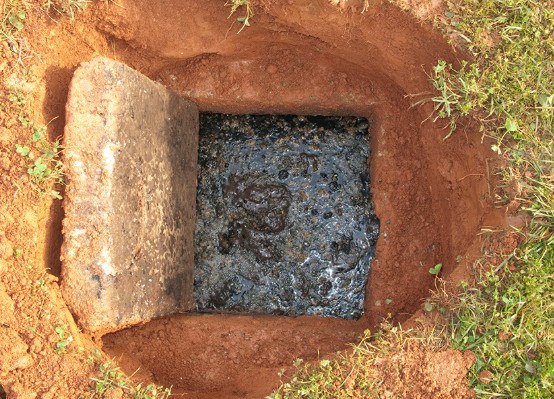
As cold weather settles down and the ground starts to soften again, septic systems across Oklahoma enter a tricky phase. Things that seemed fine during winter can suddenly show signs of wear as the ground thaws and water begins to move. That is why septic tank maintenance becomes especially important as we move out of winter and into early spring.
Snowmelt and early rains can oversaturate the ground. If your septic system is not ready, that thaw can bring surprises like soggy yards, slow drains, or worse. Catching problems early or taking a few steps ahead of time can go a long way in preventing messy or costly issues during the wet season.
Why Spring Thaw Puts Stress on Your Septic System
The start of spring brings shifts that directly affect how a septic system works. For one, moisture levels change fast. Melting snow adds more water than usual to already cool, compacted soil. On top of that, spring rain does not always have anywhere to go if the ground is still partially frozen or saturated.
Older systems or drain fields already showing signs of slowing may struggle to keep up. If the ground cannot absorb wastewater quickly, it may start collecting in the yard or backing up into the home.
Some problems that developed during the cold months may go unnoticed until the thaw kicks in. Frozen pipe joints, cracks, or hidden clogs can start to show themselves only after water starts flowing freely again.If wastewater drains too slowly or becomes blocked, the system can overload right when it should be returning to normal flow. That makes early spring the right time to pay close attention to how everything is running.
Look for Early Signs Before the Ground Softens
Waiting until things back up can lead to a bigger problem, but small signs can show up before that happens. Catching them early means you are less likely to deal with a full system repair in the middle of a soggy season. Keep an eye out for anything that shifts from normal.
Watch for these signs of trouble:
• Drains in the house start moving slower than usual
• Wet or sunken patches in the yard when it has not rained
• Strong odors near the tank or drain field area
Sometimes everything seems to work indoors, but the signs show up just outside. That pooled water or strong smell can point to a drain field that is not absorbing wastewater the way it should. This is especially common after the first few warm days when frozen areas start to thaw unevenly. Small warning signs may come and go, but they are worth looking into before they get worse.
Prep Steps for a Healthier System This Spring
A little attention before the ground fully thaws can make septic tank maintenance easier in the long run. Once the system starts seeing more flow and the soil begins to shift from freeze to thaw, any weakness shows up fast. That is why we recommend taking a few steps now instead of waiting until everything warms up at once.
Here is what should be done ahead of time:
1. Pumping the tank before spring takes off can help prevent the system from becoming overworked.
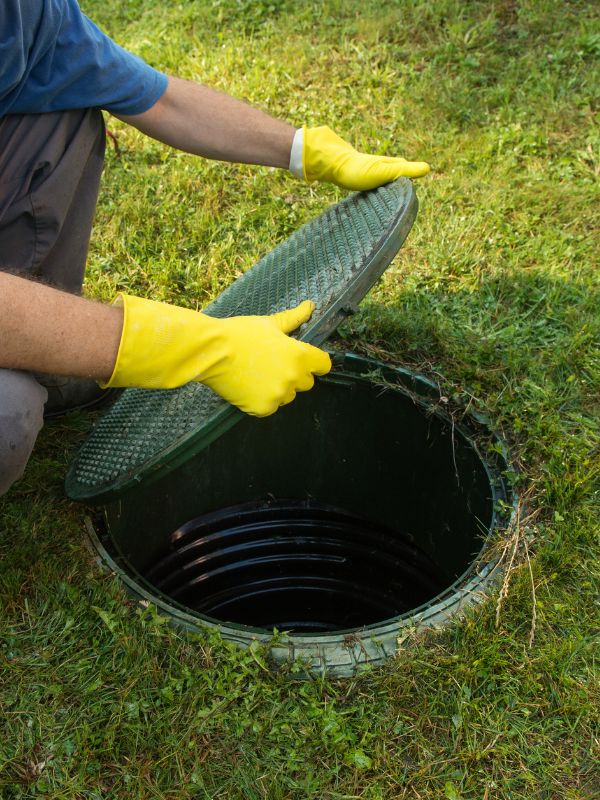
2. A visual check of covers, lids, and exposed components can help spot cracks or wear from winter freezing. These issues do not fix themselves and can lead to bigger problems once water starts flowing.
3. Diverting water away from the drain field by adjusting downspouts or clearing nearby ditches helps prevent flooding where your system needs to drain. Keeping gutters clean is another simple way to help manage that load.
Planning before the ground softens completely means you will be ahead of the season, not reacting to it. That is especially helpful when rainfall is unpredictable and schedules fill up fast.
Why Professional Help Matters After Winter
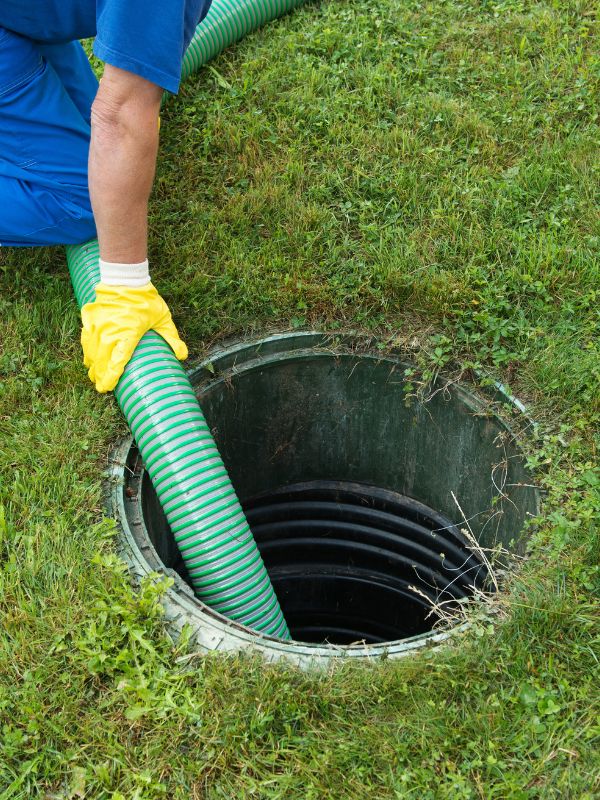
When snow melts and the ground is still healing from a freeze, a septic system can be fragile. That is why spring is such a smart time to get it professionally inspected. Problems below the surface often do not show themselves right away. Just because you are not seeing puddles does not mean the system is running fine.
In Oklahoma, soil type can vary quite a bit, even within the same property. Some soils soak up water quickly, while others hold onto it. If you are living in areas across Cleveland County, McClain County, or Comanche County, you are likely dealing with clay-based soil that holds moisture longer. That makes the spring thaw more stressful for septic systems.
Local conditions often affect how soon everything begins working normally again. Spring thaw does not hit every township the same way. In some places, the freeze lingers much longer than in others. That is why it helps to have it looked at by someone who knows our Oklahoma seasons and what to look for in post-winter conditions.
A Better Spring Starts with Being Ready
When we get ahead of spring problems, everything works better. Septic tank maintenance does not have to mean trouble is already brewing. It can be a simple check-in, a small tune-up, or a smart early move to handle what winter left behind.
The thaw brings shifts in the ground, fast-moving runoff, and changes in how water flows around the house. Getting the system ready before that shift takes full effect means a lower chance of clogs, backing up, or yard damage during wetter weeks. These early steps help give you peace of mind and keep your system doing its job quietly, just like it should.
A little effort now can help avoid stress when Oklahoma’s rainy season kicks in. It keeps things ticking along, and those simple steps can save a big headache down the road.
At Septic Near Me OK, we see firsthand how quickly spring thaw can put pressure on systems that have been sitting idle all winter. Keeping everything in working order starts with good timing and reliable care. That is why we always recommend staying ahead of seasonal shifts with regular septic tank maintenance tuned to Oklahoma’s unique weather and soil. Small touchpoints before peak rainfall can make a big difference. Noticed changes or in need of peace of mind? Give us a call today.