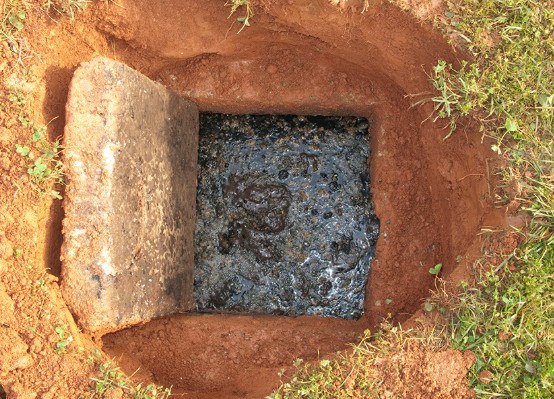

What Happens During a Septic Inspection in Oklahoma
Spring in Oklahoma brings warmer temperatures, heavy rain, and softer ground. All of that can impact your septic system, which is why this time of year is ideal for an inspection. Slow drainage, soggy spots, and hidden issues can start to show up as conditions change.
A septic tank inspection is one of the easiest ways to catch small issues before they turn into expensive problems. When we inspect early, we can keep your system running the way it should without unexpected surprises.
Many homeowners are not sure what actually happens during a septic inspection, and that is completely normal. Septic maintenance might not be top of mind, but it plays a big role in protecting your home and property. Here is what to expect during a routine inspection and why it matters.
What Is a Septic Tank Inspection
A septic tank inspection is a routine check of your onsite wastewater system to make sure everything is working properly below the surface. During the inspection, we check key components to confirm your system is operating correctly.
Here are some of the main things we look at:
• Checking sludge and scum levels inside the tank
• Looking over tank walls and lids for cracks or signs of stress
• Inspecting baffles to prevent blockages and protect the drain field
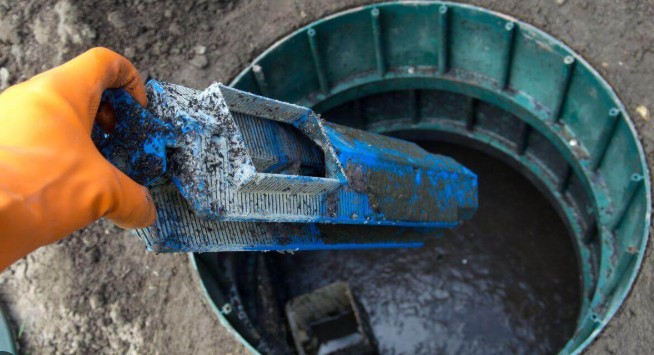
• Testing filters and pumps, when present, to confirm proper operation
We are not just looking for current problems. We are also identifying early warning signs so they can be handled before they turn into bigger repairs.
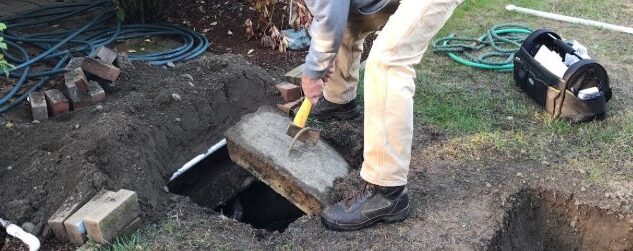
Signs It Might Be Time for an Inspection
Sometimes your system gives clear warning signs. Other times, it continues running until a problem becomes more noticeable. Knowing what to look for can help you act early.
Common signs include:
• Water draining slower than normal in sinks, tubs, or toilets
• Strong odors near the tank or drain field
• Pooling water or soggy ground above the system
Spring weather in Oklahoma can add extra stress to a system that is already close to full. Increased moisture in the soil can slow drainage and make small issues worse. Even if everything seems fine, scheduling an inspection in spring helps you stay ahead of seasonal problems.
What We Check During the Inspection
There is more involved than simply opening the tank and taking a quick look. We inspect the system thoroughly to make sure everything is functioning as it should.
During an inspection, we check:
• Sludge buildup and how close it is to the outlet
• Baffles that control flow and prevent clogs
• Filters and pumps, especially in aerobic systems
• How wastewater is moving toward the drain field
We also walk the drain field to check for standing water, odors, or overly soft areas. These can be signs that the system is not draining properly. We also look for root intrusion or other external damage that could affect performance.
What Happens After the Inspection
Once the inspection is complete, we provide a clear overview of what we found. The goal is to help you understand the condition of your system and what may need attention.
A typical inspection report includes:
• Current waste levels inside the tank
• Any signs of wear, damage, or leaks
• Drainage concerns or flow issues
• Recommended next steps if service is needed
In some cases, you may simply need to schedule routine pumping. In others, small repairs may be recommended to prevent larger problems. Addressing issues early helps avoid more expensive and disruptive repairs later.
Keep Your System Working Year Round
Understanding what happens during a septic inspection makes the process straightforward and helps you stay in control of your system. Regular inspections extend the life of your septic system and help prevent unexpected failures.
Spring is one of the best times to schedule an inspection in Oklahoma. As the ground shifts and moisture increases, systems that are already stressed can begin to show signs of trouble. Taking care of it early helps you avoid dealing with bigger issues later in the season.
If your system has not been inspected recently or you are noticing early warning signs, now is the time to schedule. Call Septic Near Me OK today to stay ahead of potential issues and keep your system running the way it should.