
When it comes time for a new septic system installation, the kind of soil beneath your yard matters more than most homeowners realize. Across Oklahoma, clay soil is common, especially in rural properties and areas outside city sewer access. While clay-heavy ground may seem normal, it creates unique challenges for septic systems, especially during spring storms and long periods of heavy rain.
Choosing the right septic system from the beginning can help prevent yard flooding, standing water, slow drains, and expensive septic repairs later. Clay soil does not drain like sandy or loamy ground, so septic systems need to be designed specifically for Oklahoma soil conditions. If your yard stays wet after rain or the ground becomes sticky and compacted, your septic system installation needs to account for those conditions from day one.
Understanding Clay Soil and Its Challenges
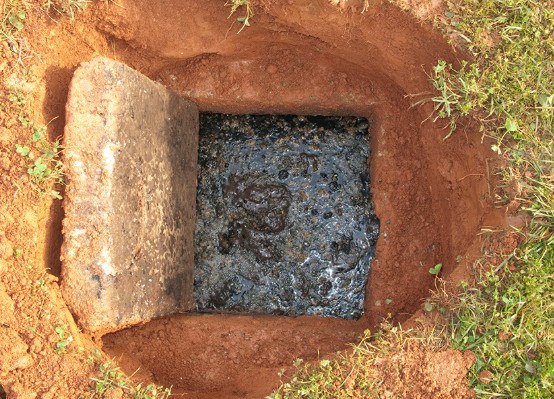
Clay soil is dense and tightly packed. Unlike sandy soil that allows water to move through easily, clay holds moisture for much longer. That becomes a problem for septic systems because wastewater needs room to filter naturally through the ground.
In Oklahoma, changing weather conditions make the problem even worse. Spring storms can quickly saturate the soil, while hot summer temperatures dry and crack the ground. Clay soil expands when wet and contracts when dry, which can create pressure around septic tanks, pipes, and drain fields over time.
When water cannot properly absorb into the soil, several problems can develop:
• Drain fields may stay saturated long after rainfall
• Wastewater can move back toward the home instead of dispersing properly
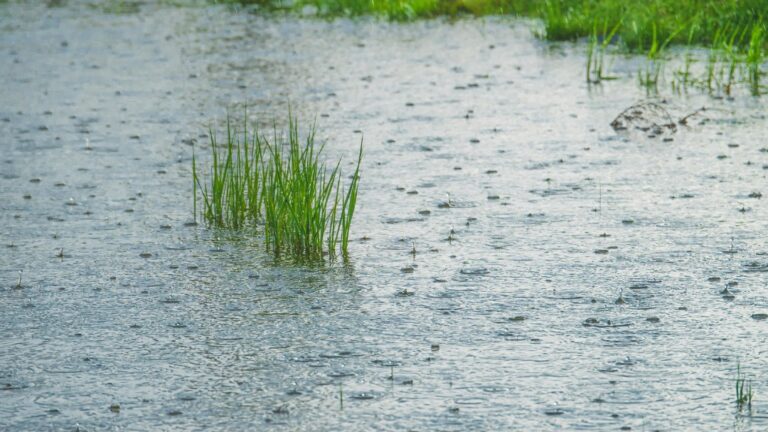
• Standing water and soggy areas may form around the septic tank or lateral lines
• Septic odors can become noticeable in the yard after heavy rain
In many Oklahoma properties, clay soil can hold moisture for days, forcing septic systems to work harder than they should.
Common Types of Septic Systems for Oklahoma Clay Soil
Once you know your property has clay-heavy soil, the next step is choosing a septic system designed to handle those conditions long-term.
Conventional septic systems are the most common setup. These systems rely on underground drain fields to naturally absorb wastewater into the soil. While they work well in well-draining soil, they often struggle in Oklahoma clay because the ground absorbs water too slowly.
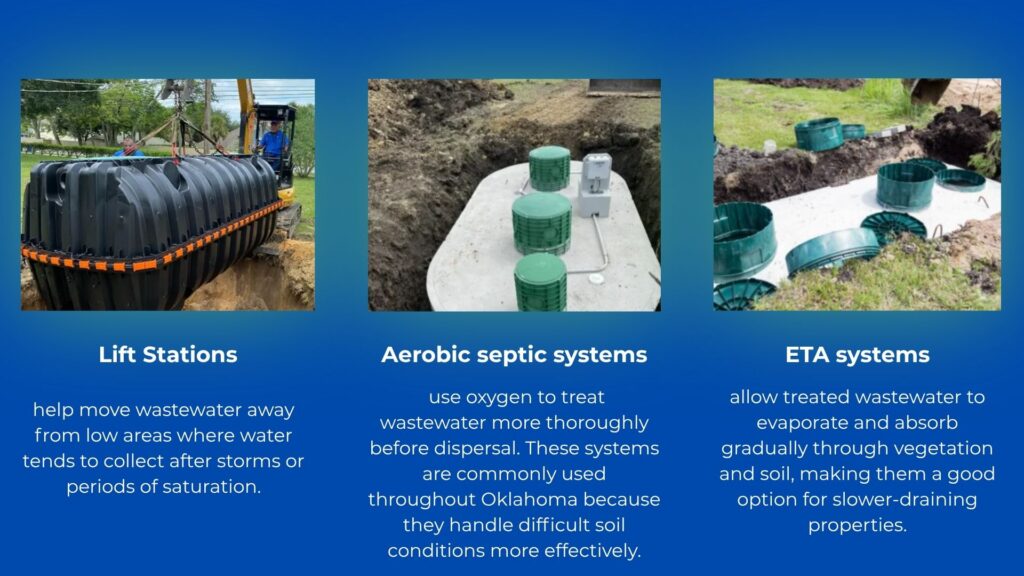
Several septic system options tend to perform better in clay soil conditions:
The best septic system installation depends on your property layout, drainage conditions, water usage, and soil test results.
What to Consider Before a New Septic System Installation
Before installing a septic system, several important steps can help prevent major issues later.
One of the first things needed is a soil or percolation test. This test measures how quickly water drains through the soil and helps determine which septic system will work best on the property. In many Oklahoma clay soil areas, traditional systems may not pass without modifications.
Proper sizing also matters. Every home uses water differently. Larger households often produce more wastewater through showers, laundry, dishwashing, and regular daily use. Septic systems must be sized correctly for both the home and the available land.
There are also local Oklahoma considerations that affect septic installations. Counties like McClain County, Cleveland County, Grady County, and surrounding rural areas may have specific permitting requirements, spacing rules, or site access limitations. Sloped terrain, heavy clay, and limited equipment access can all affect how a septic system is installed.
Planning ahead helps avoid expensive drainage problems later.
Long-Term Septic Maintenance in Clay Soil
Once the septic system is installed, regular maintenance becomes even more important in clay-rich soil.
Because clay holds moisture longer, septic problems can sometimes develop underground before obvious warning signs appear. Spring is one of the best times to inspect the system because rainfall and saturated ground often reveal early drainage issues.
Homeowners should watch for signs like:
• Slow drains inside the home
• Gurgling sounds from sinks or toilets
• Wet or soggy ground near the tank or drain field
• Septic odors outside after rainfall
• Standing water around spray heads or lateral lines
If these warning signs appear, the septic tank may need pumping or the system may need inspection before the problem becomes more serious.
Heavy Oklahoma rain can saturate clay soil quickly, making it harder for wastewater to filter properly. Regular inspections and routine septic pumping help extend the life of the system and reduce the risk of major repairs.
Smart Septic Planning for Oklahoma Homes
Choosing the right septic system early can save homeowners a lot of stress and expense later. Clay soil leaves very little room for shortcuts, especially during Oklahoma’s wet spring months when drainage problems become more noticeable.
Careful planning during a new septic system installation helps reduce the risk of septic backups, standing water, and long-term drain field issues. When the septic system matches the land conditions, the entire property functions better year-round.
At Septic Near Me OK, we understand how Oklahoma clay soil affects septic systems because we work in these conditions every day. Whether you need a new septic system installation, septic repair, aerobic system service, or help diagnosing drainage problems after heavy rain, we help homeowners find solutions that fit their property and soil conditions. From McClain County to Cleveland County and throughout rural Oklahoma, we know what works in Oklahoma ground and what does not.